Civil Infrastructure Solutions for Water Control, Flood Protection, and Environmental Resilience
McWane Plant & Industrial provides engineered solutions for civil infrastructure projects that demand reliable water control, flood mitigation, and environmental protection. Our product portfolio supports a wide range of applications including dams and hydroelectric systems, riverways and flood control, roadway drainage, stormwater retention and detention basins, wetland restoration, and municipal water distribution.
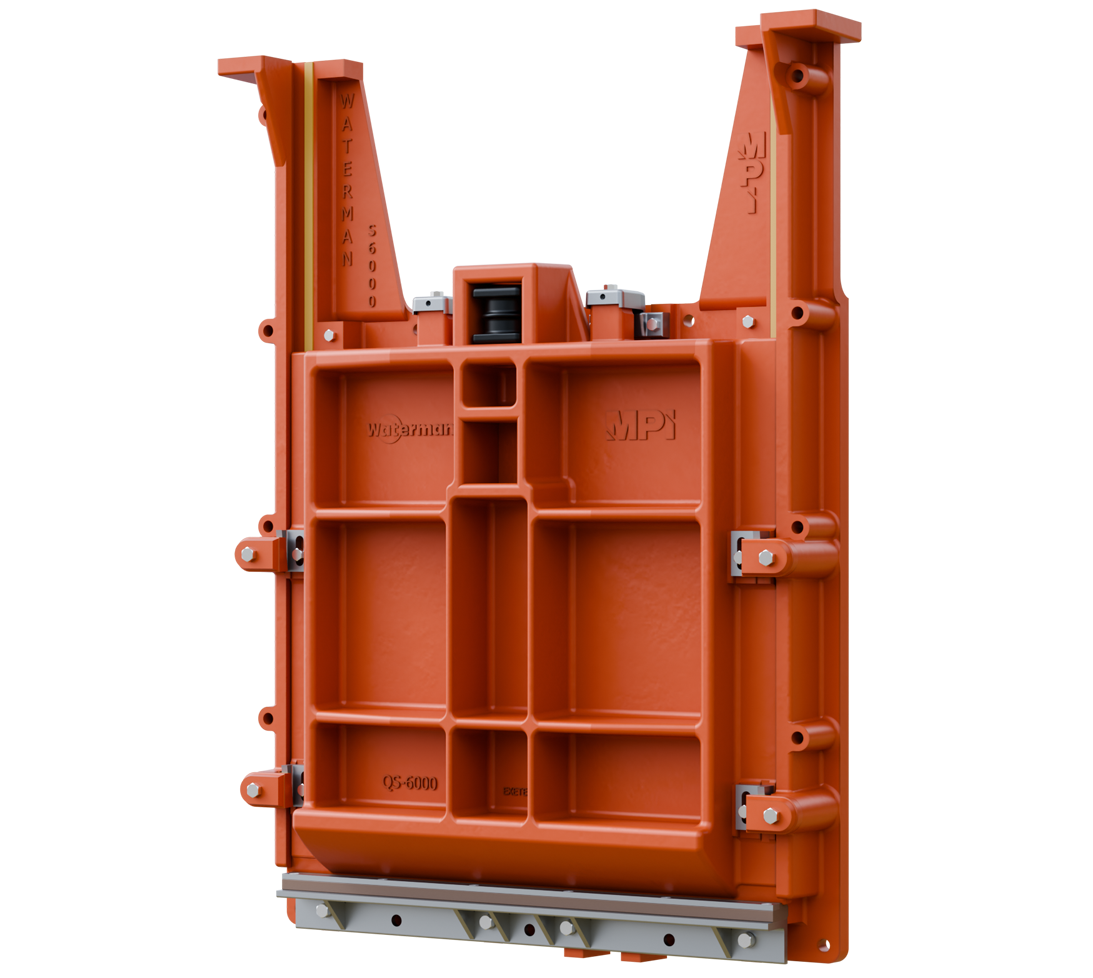
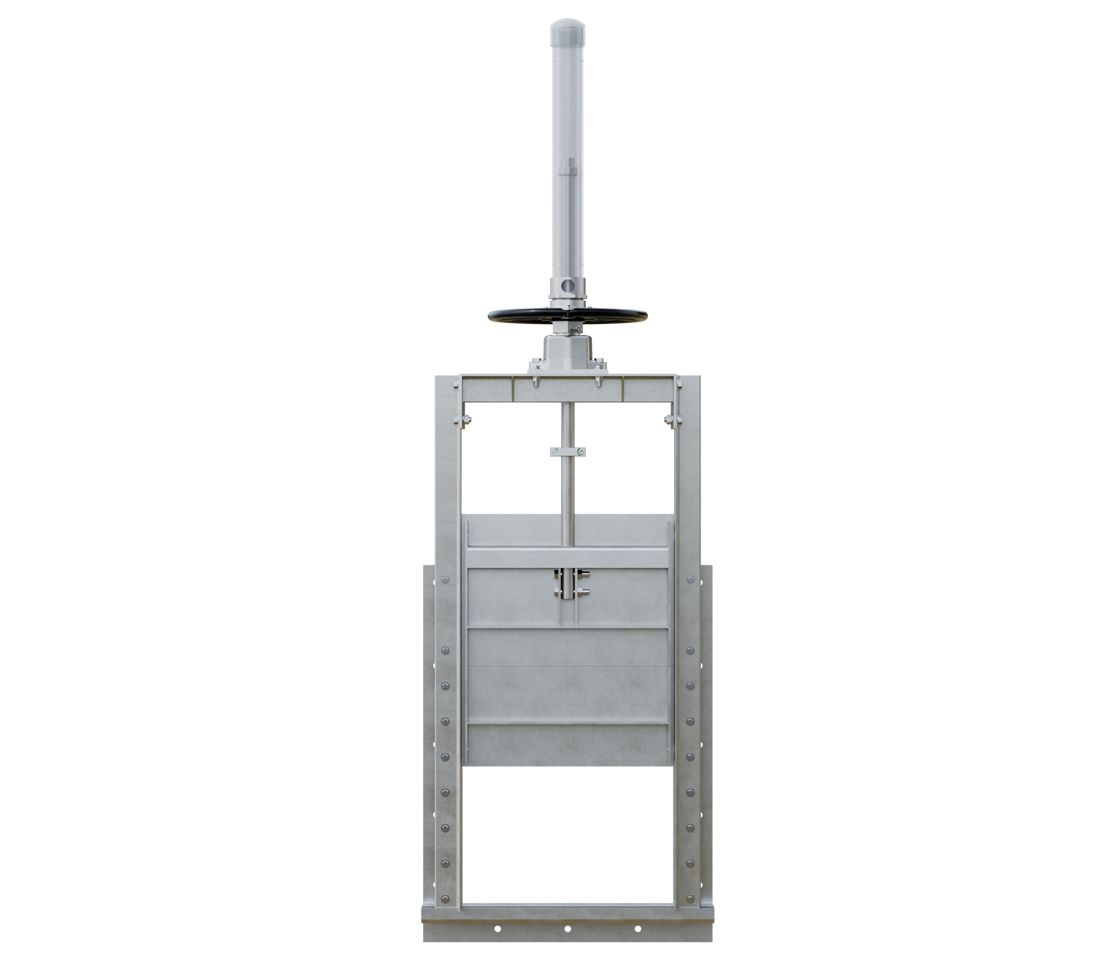
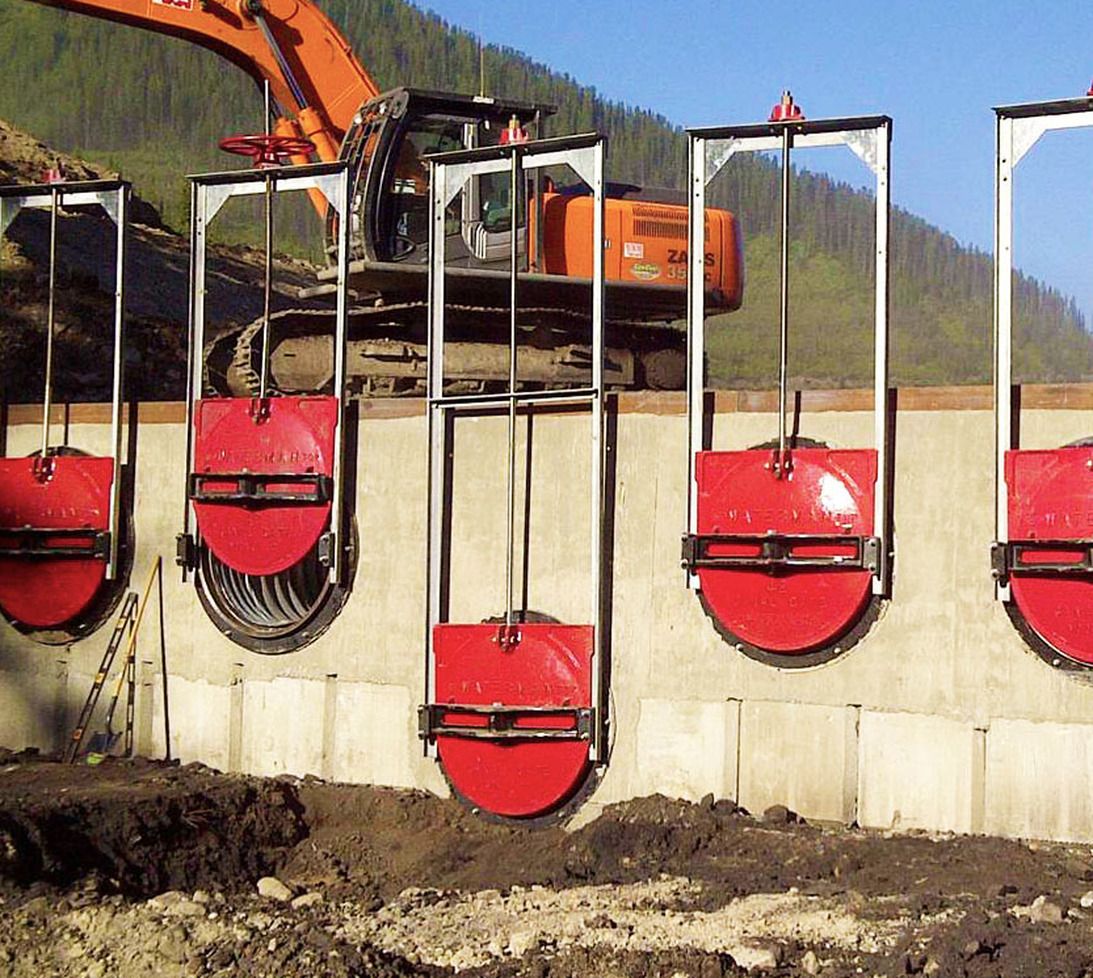
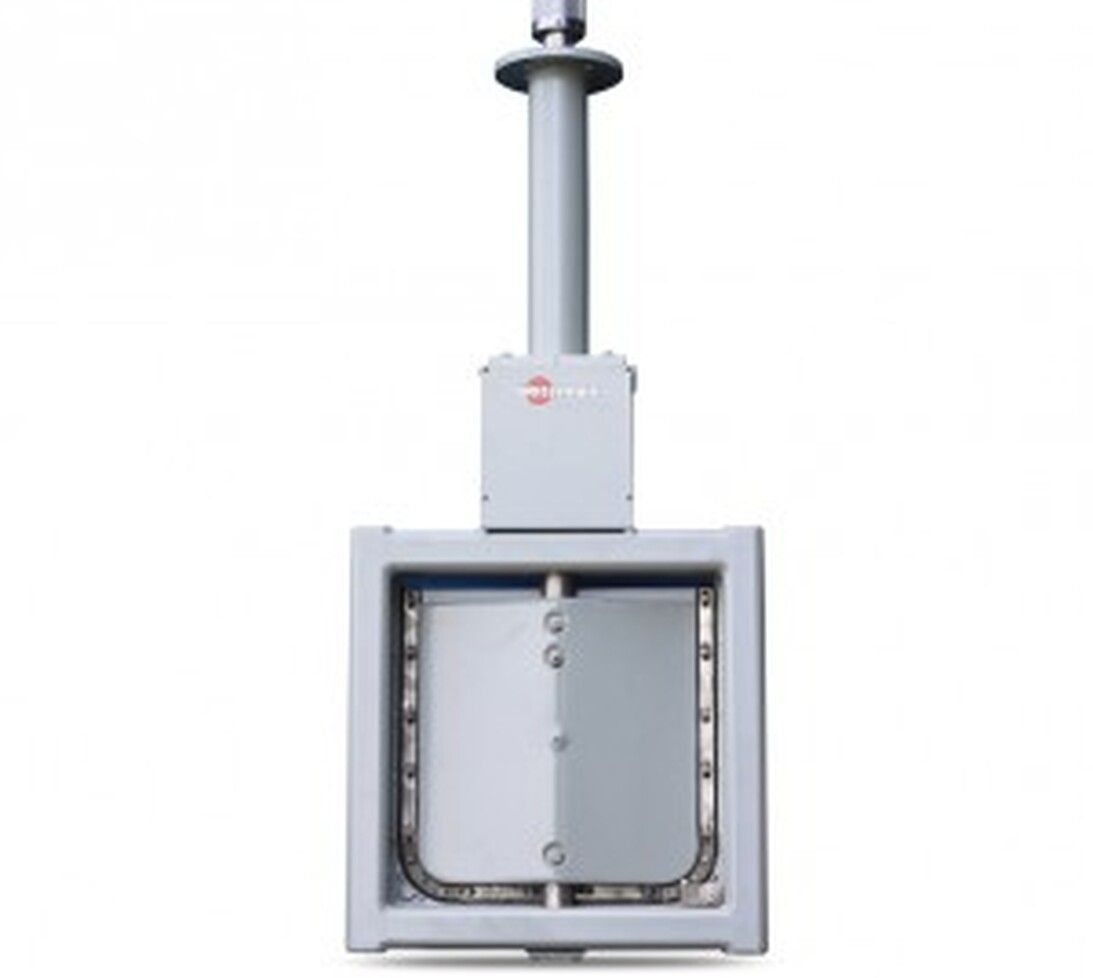
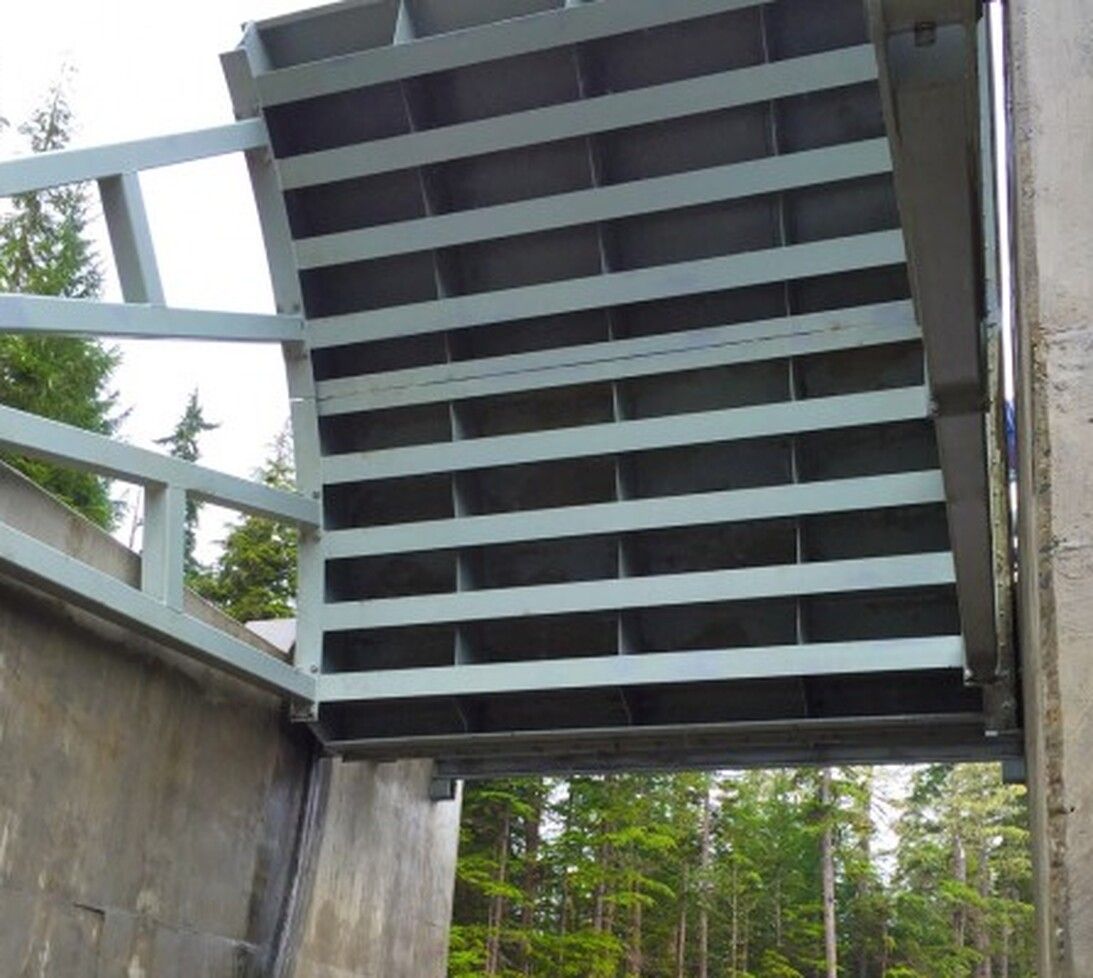
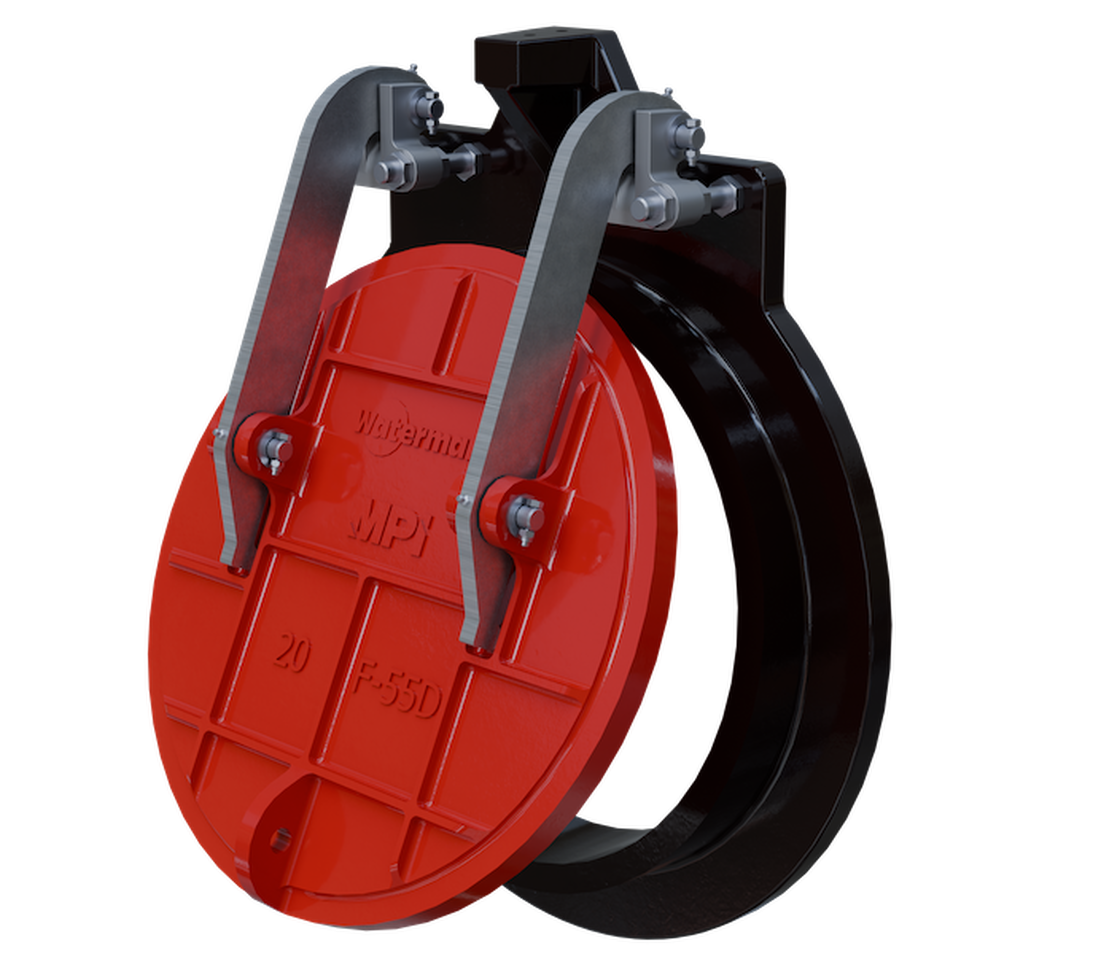
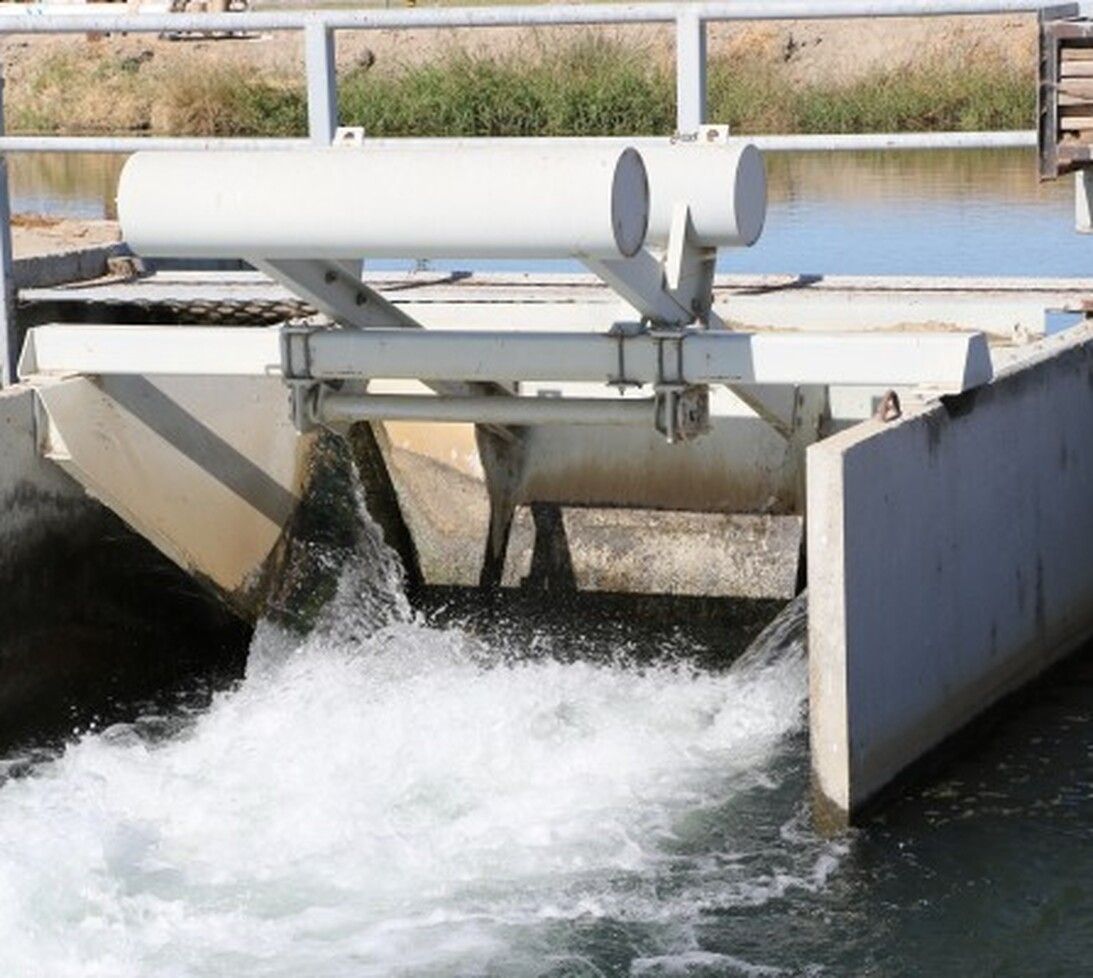
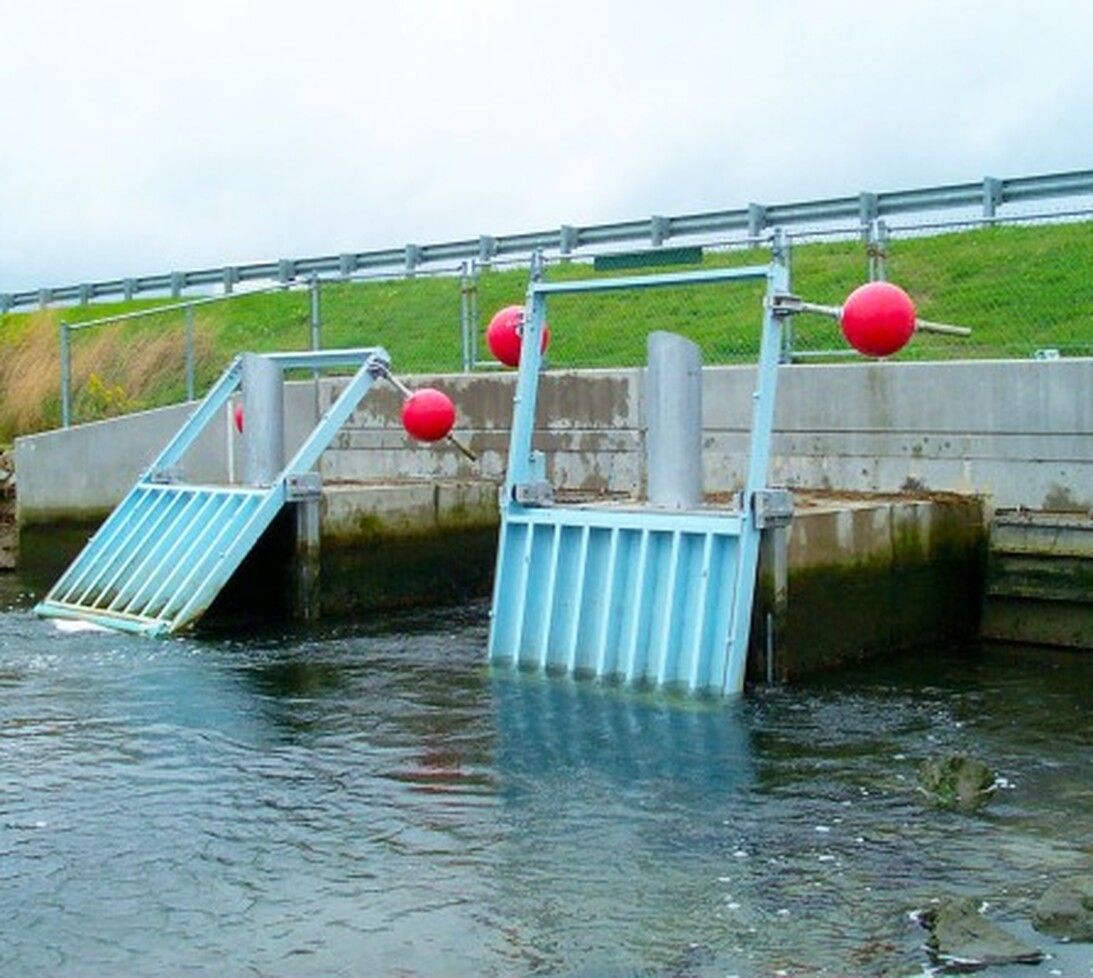
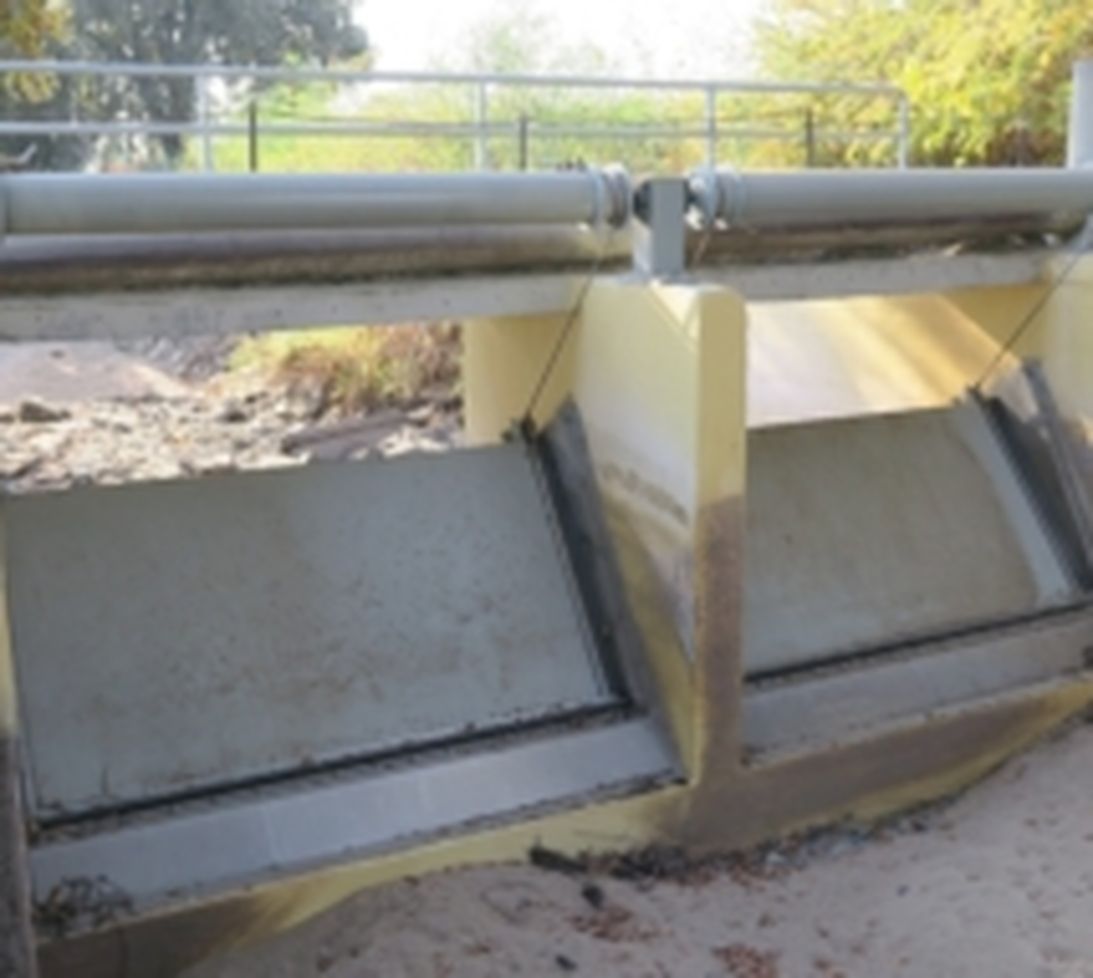
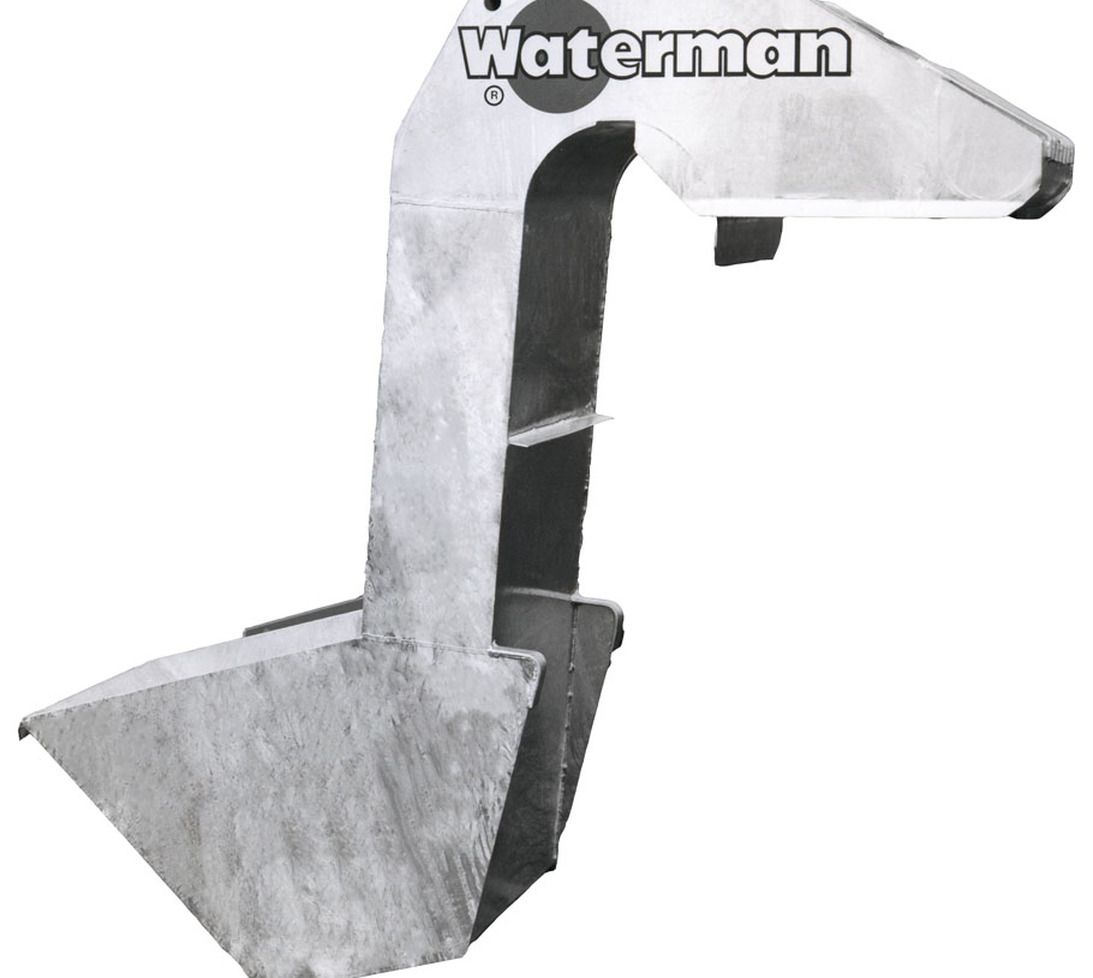
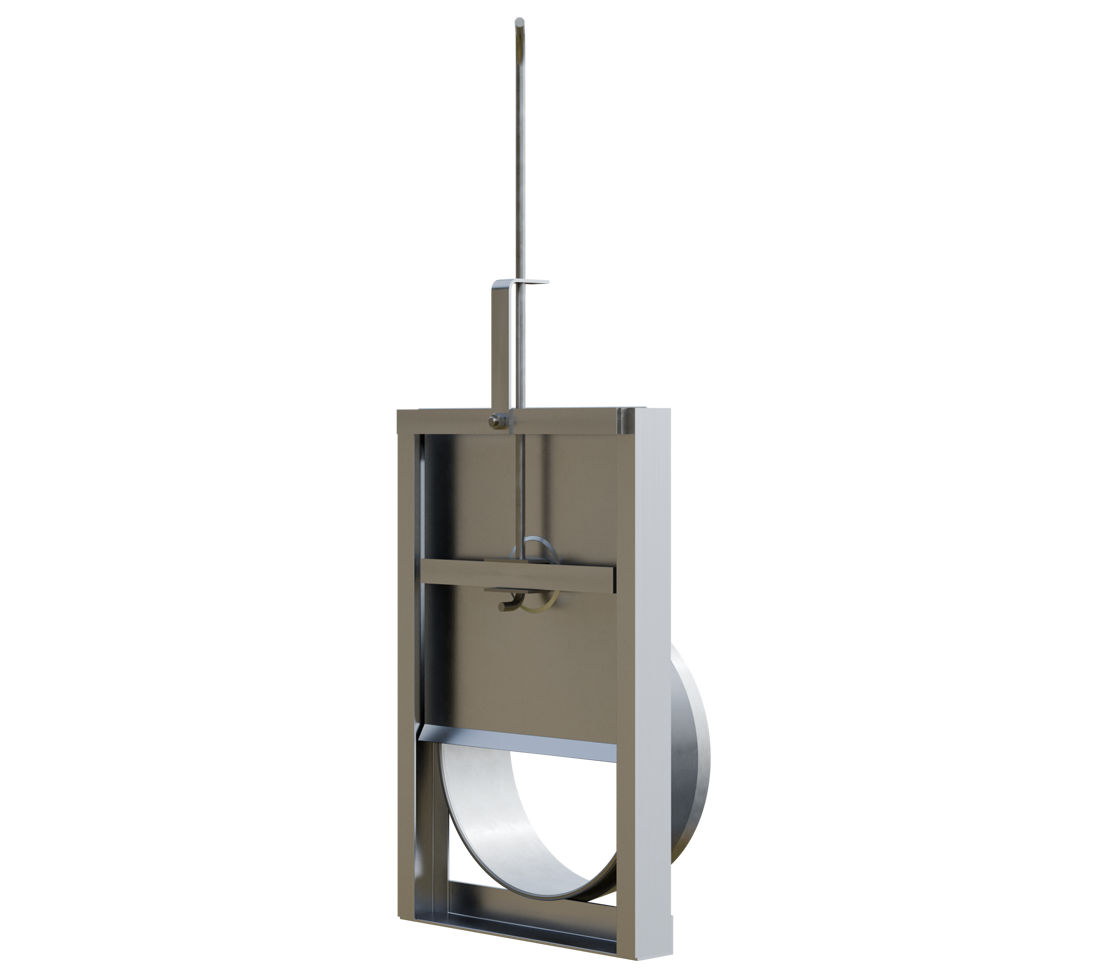
We manufacture a full line of cast iron, aluminum, and stainless steel gates—including slide gates, canal gates, flap gates, tilting weirs, and radial gates—designed for long-term performance in high-debris, corrosive, and submerged environments. Our gate lift systems, automatic siphons, and self-regulating tide gates offer precise flow control and automation capabilities for both urban and rural infrastructure.
Whether you're designing a flood control channel, restoring a marsh ecosystem, or upgrading a hydroelectric facility, McWane’s civil solutions are engineered to meet AWWA standards and support sustainable, resilient infrastructure. Explore our full range of products below to find the right solution for your project.
Dams & Hydroelectric Systems
Large-scale dam projects expertly regulate water flow for flood control, irrigation, municipal supply, and renewable energy generation. These structures feature reservoirs designed to buffer seasonal fluctuations and often include reversible (“pump‑storage”) systems to balance electrical grid demands.
Riverways & Flood Control
Engineered channels, levees, and floodways divert and manage river flow to protect urban and rural communities. Projects may include controlled spillways, diversion channels, and gated systems—all integrated with real-time monitoring and automated controls to dynamically respond to changing water levels.
Roadway Drainage & Stormwater Basins
Urban infrastructure incorporates subsurface drainage networks tied to retention and detention basins. These systems attenuate peak flows, reduce roadway flooding, and promote groundwater recharge, aligning with sustainable stormwater management practices .
Retention & Detention Basins
These feature-sized basins temporarily hold stormwater runoff or release it slowly, reducing stress on downstream drainage systems. They play a vital role in controlling peak flow rates and preventing erosion, while often incorporating green infrastructure elements.
Marsh & Wetland Restoration
Projects focus on reviving degraded wetland ecosystems through re-establishing hydrological connectivity, planting native species, and controlling invasive threats. Efforts improve water quality, enhance biodiversity, and restore natural floodplain functions .
Water Distribution Infrastructure
This encompasses aqueducts, canals, pipelines, pumping stations, and water treatment facilities that reliably move water from source to end use—for agriculture, drinking, or industry. These systems are engineered to maintain pressure, prevent leaks, and support multi-sector demands—balancing efficiency, safety, and sustainability .
Why These Projects Matter
- Protect Communities: Dams, levees, and basins reduce both sudden flood events and long-term inundation risks.
- Ensure Water Security: Water distribution networks and storage systems underpin supply reliability for millions.
- Generate Clean Energy: Hydroelectric installations contribute to renewable energy portfolios.
- Boost Environmental Health: Eco-restoration efforts rebuild critical habitats and resiliency.
- Improve Urban Resilience: Stormwater infrastructure reduces urban flooding and enhances surface water quality.