Clean Water, Clear Solutions: Comprehensive Water & Wastewater Treatment Services
At McWane Plant & Industrial, we specialize in delivering innovative, reliable, and sustainable solutions for both water and wastewater treatment facilities. Our systems are engineered to meet the highest standards of performance, safety, and environmental compliance—ensuring clean water for communities and industries alike.
From intake to outfall, our treatment solutions cover every stage of the process. Whether it's advanced filtration, disinfection, or sludge management, our technologies are designed to optimize efficiency and reduce operational costs. Our wastewater systems include extended aeration, clarifiers, tertiary filtration, and sludge handling—each component tailored to meet the specific needs of your facility.
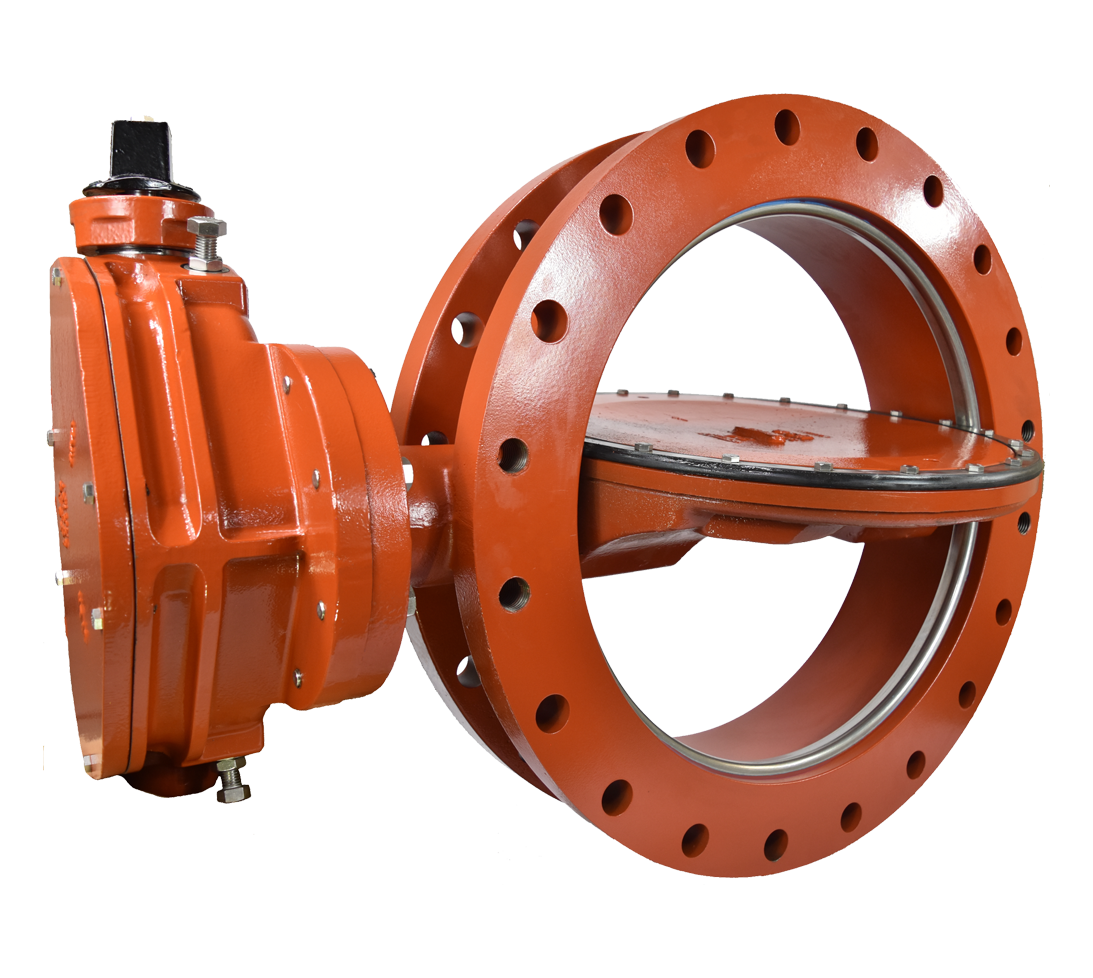
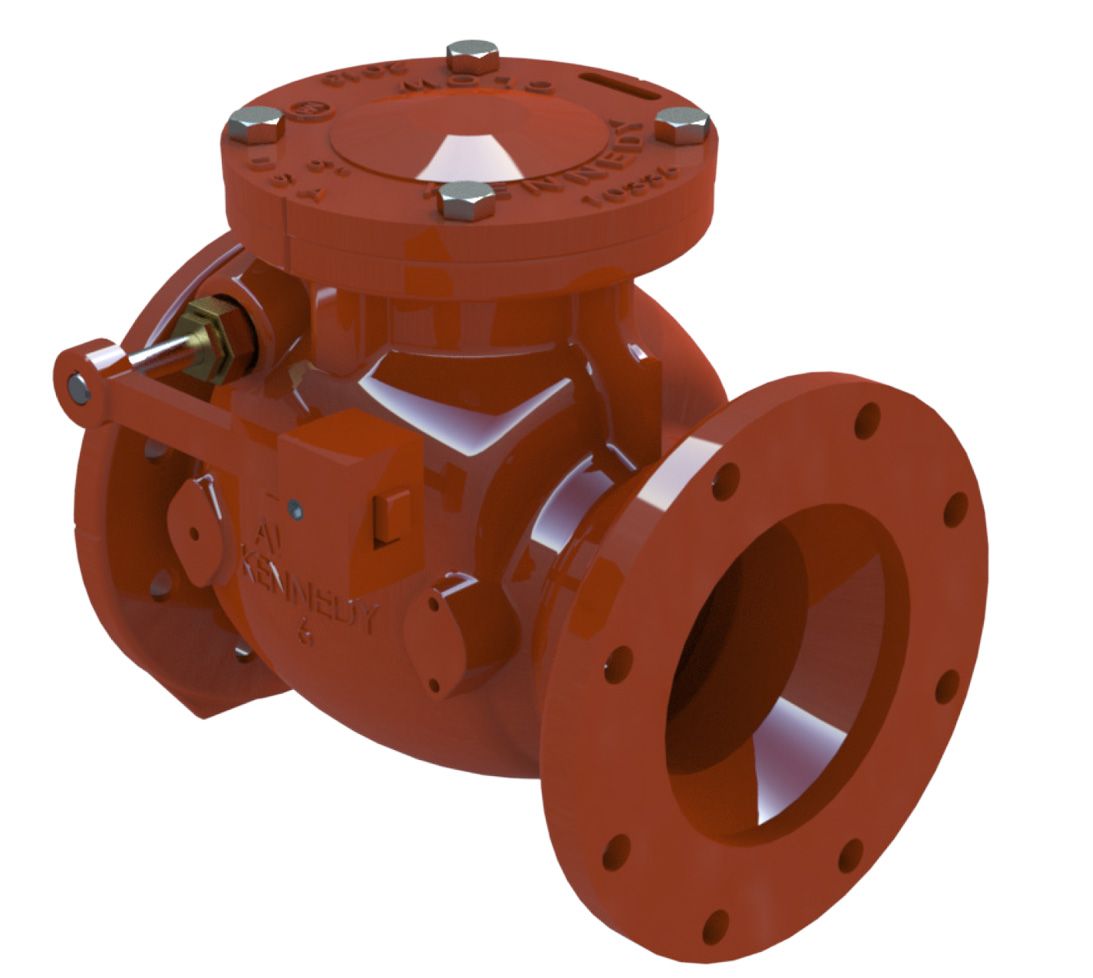
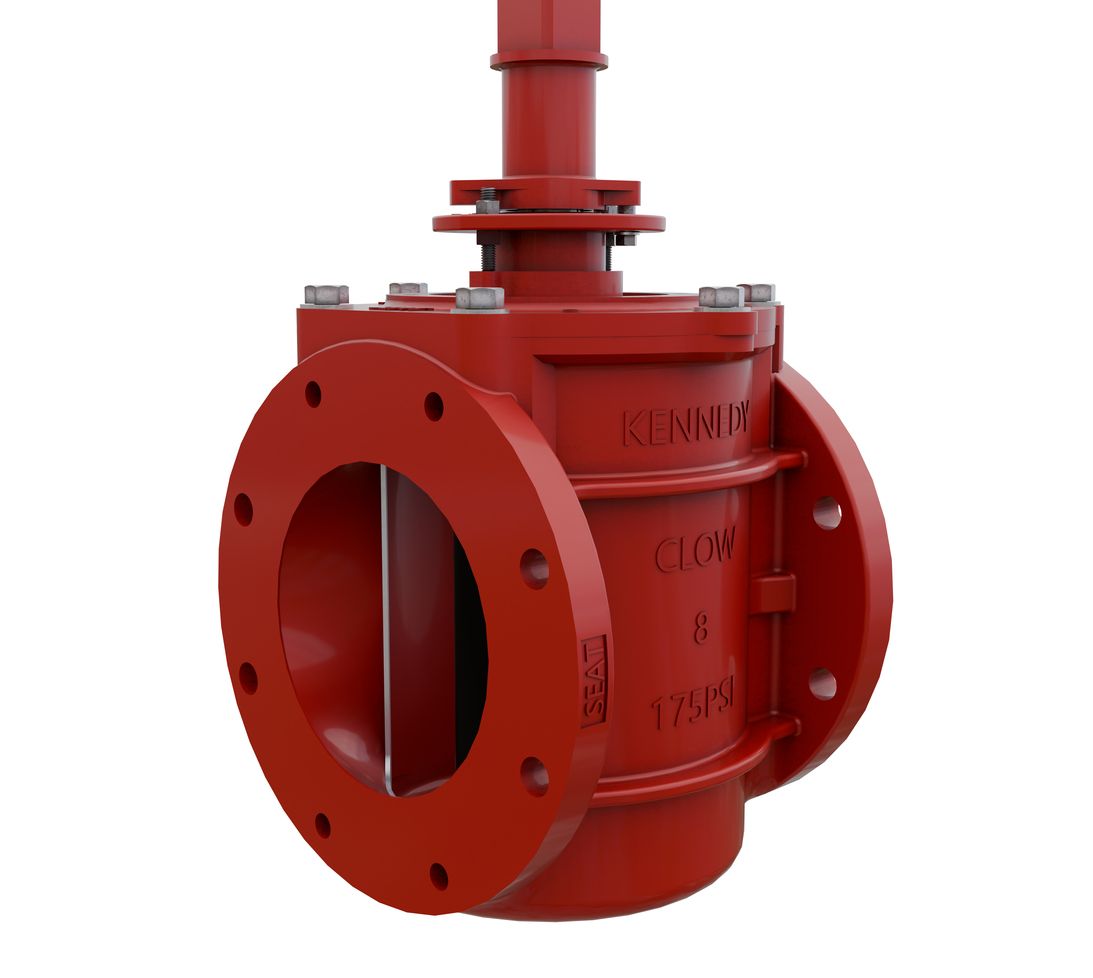
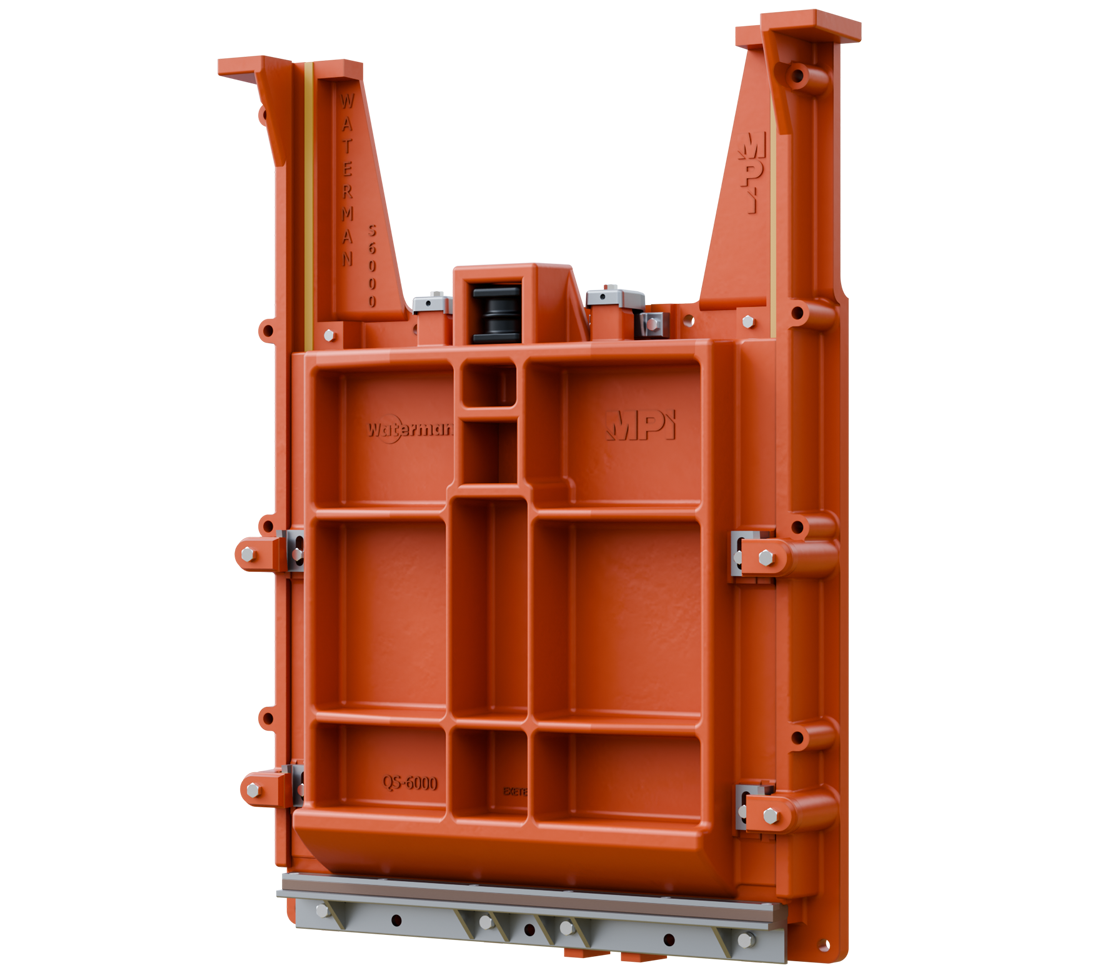
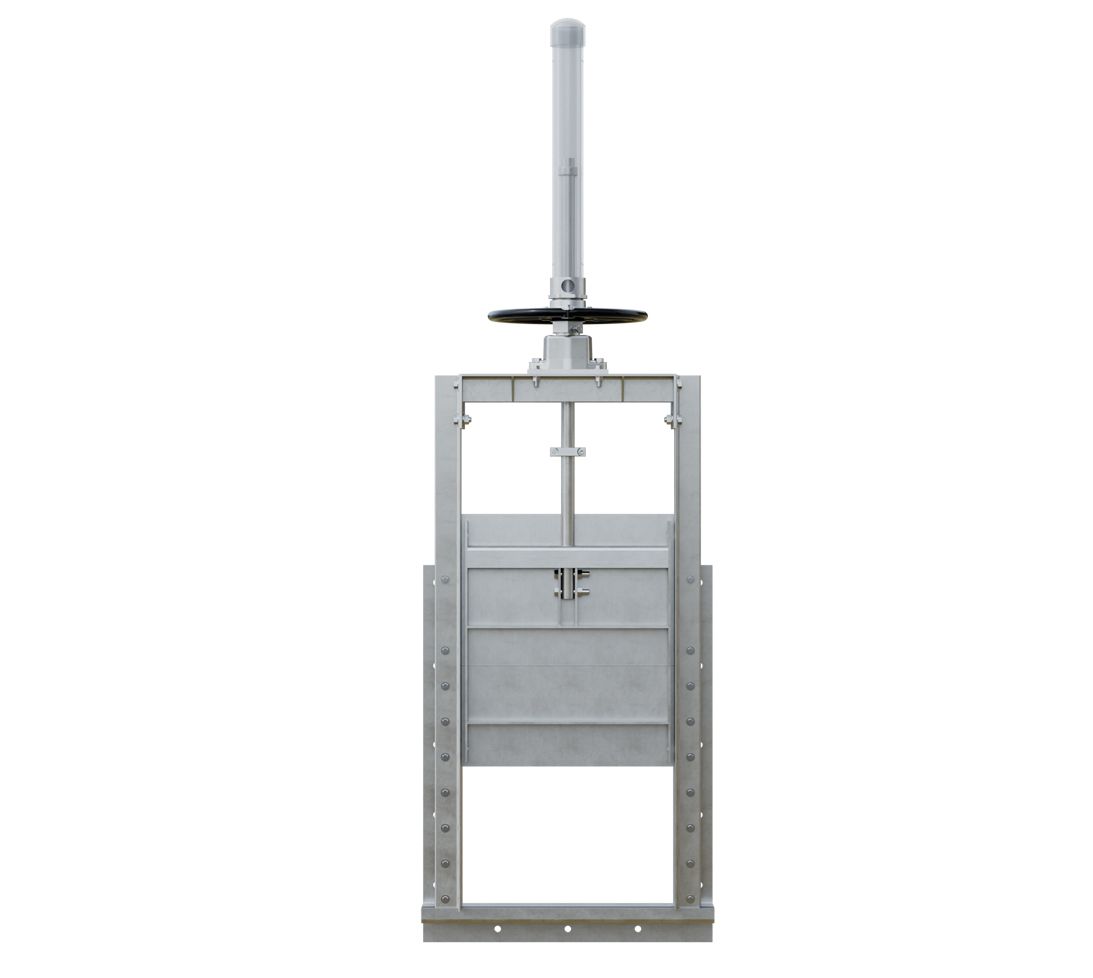
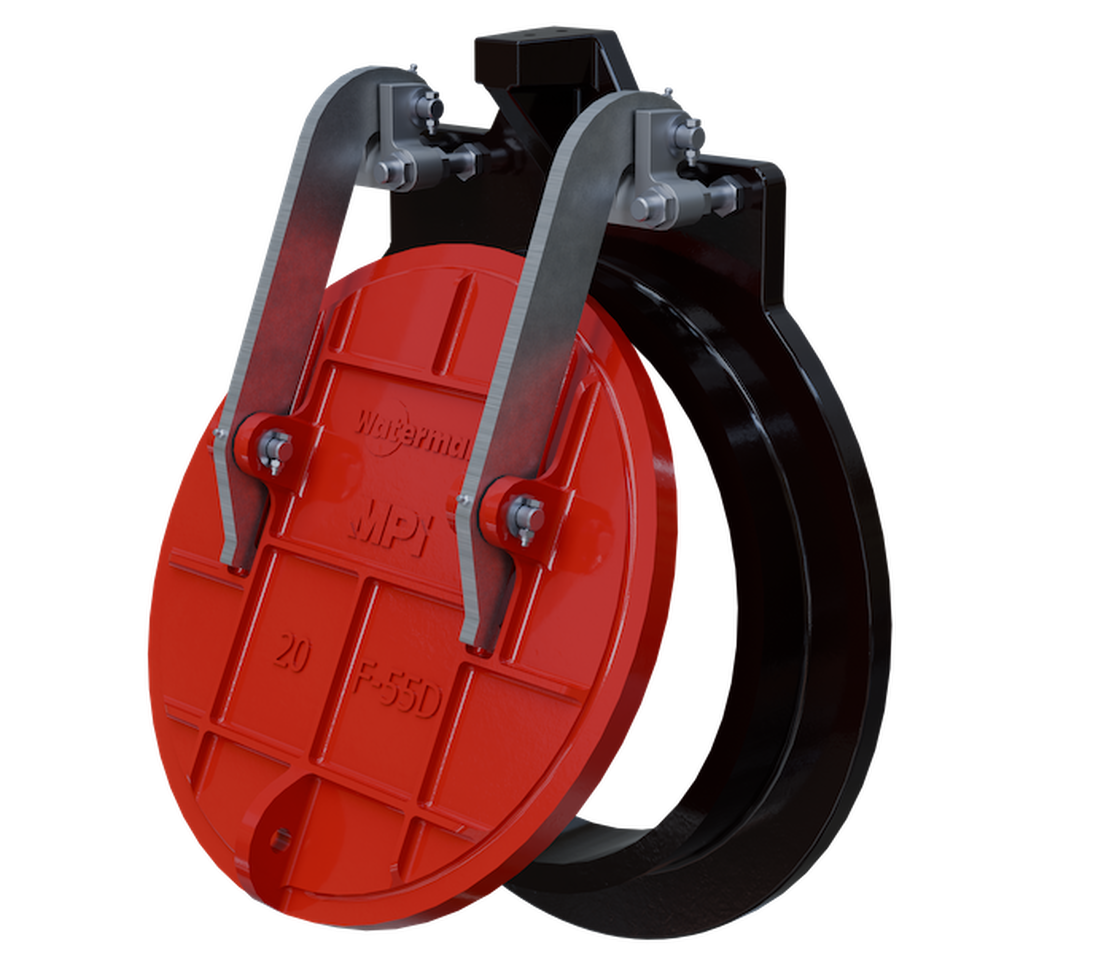
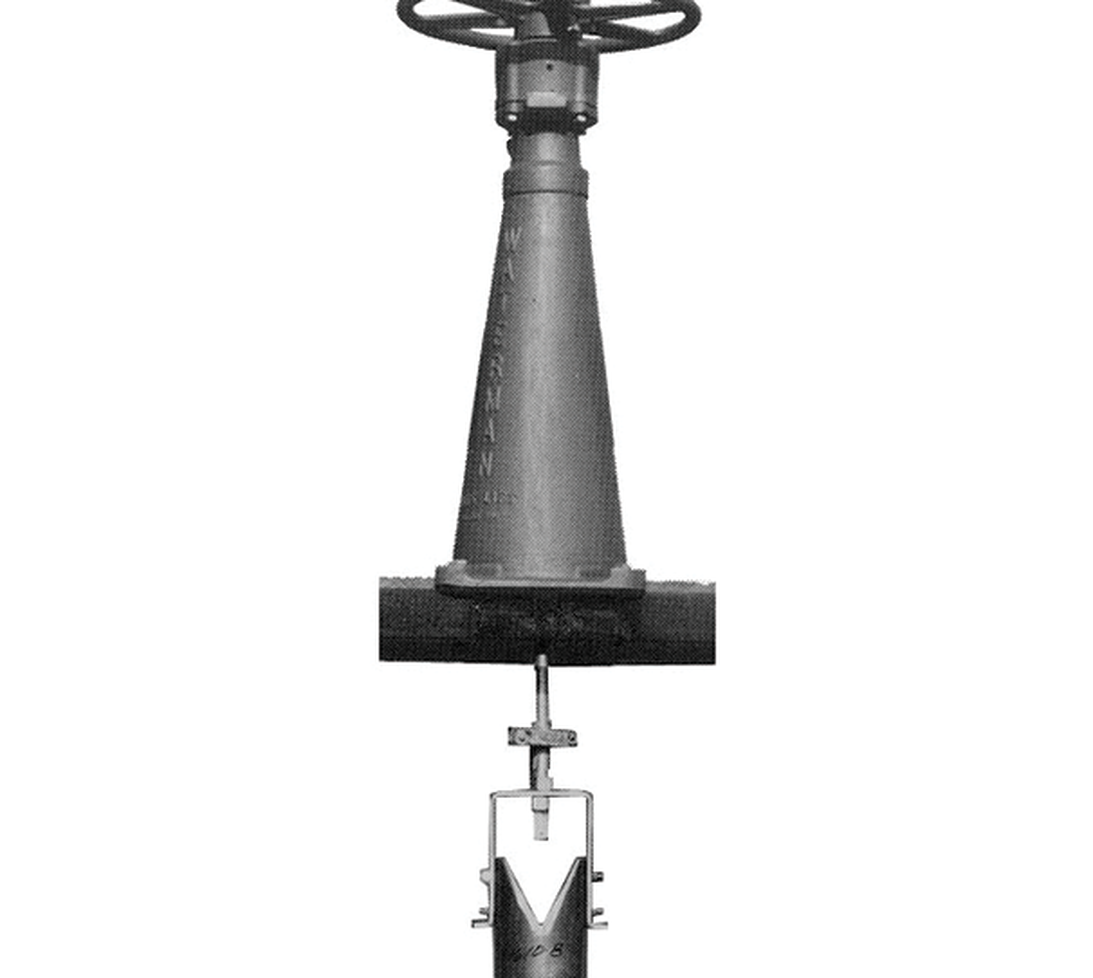
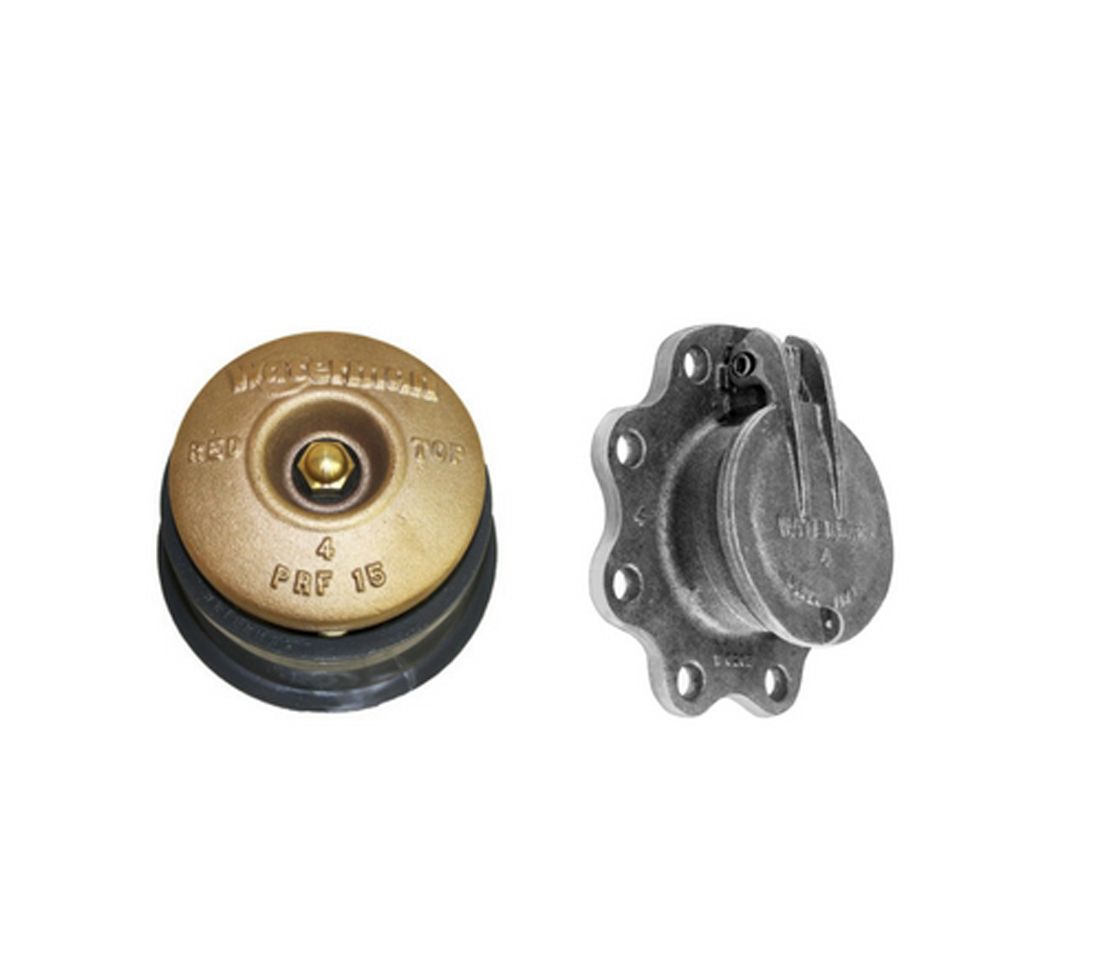
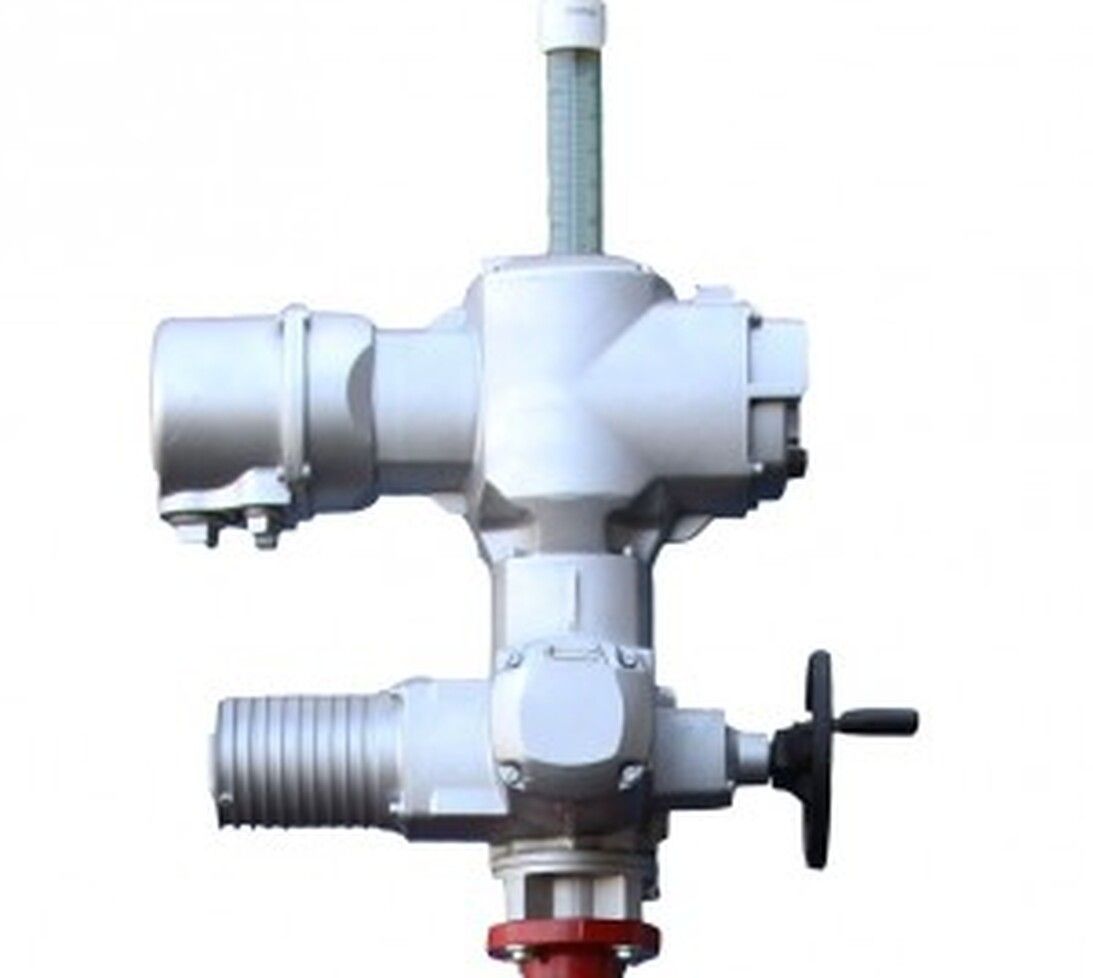
We also offer a full suite of cast iron sluice gates, valves, and flow control products built for durability in high-debris and corrosive environments. With decades of experience and a commitment to innovation, we help municipalities and industrial clients modernize their infrastructure and meet evolving regulatory demands.
Explore how our integrated approach to water and wastewater treatment can help you protect public health, preserve natural resources, and future-proof your operations.
Water & Wastewater Treatment Plants Overview
Water and wastewater treatment plants are essential facilities that cleanse used water—whether drinking supply or sewage—before it is returned to the environment or reused. These plants employ a suite of physical, chemical, and biological processes to remove pollutants, ensuring compliance with safety standards and protecting public health, ecosystems, and water resources.
Core Benefits
- Public Health & Safety: Eliminates pathogens like bacteria and viruses to prevent waterborne diseases.
- Ecosystem Protection: Reduces nutrient loads and toxic chemicals to prevent eutrophication and preserve aquatic habitats.
- Water Reuse & Sustainability: Enables treated water for irrigation, industry, groundwater recharge, and even potable reuse in advanced systems.
- Resource Recovery: Produces biogas from sludge and recovers nutrients for fertilizer or energy use.
Typical Treatment Processes
- Screening & Sedimentation: Removes solids and suspended matter.
- Primary Treatment: Coagulation/flocculation and settling tanks remove fine particles.
- Secondary Treatment: Biological digestion (e.g., activated sludge, MBBR) converts organic pollutants and removes nutrients.
- Tertiary Treatment: Advanced removal via filtration, advanced oxidation, and disinfection (chlorine, UV, ozone).
- Sludge Handling: Dewatering, digestion, and safe disposal—or conversion to biosolids and biogas.
Plant Applications
- Municipal Systems: Process everyday sewage for safe discharge and reuse.
- Industrial Treatment: Tailored for effluents from food, chemical, and manufacturing sectors.
- Rural & Decentralized: On-site systems (package plants, wetlands, MBBR) serving remote communities.
- Advanced Reuse: High-grade treatment (RO, microfiltration, UV) for potable reuse or aquifer replenishment.
Why This Matters
Effective treatment systems:
- Protect public health, drastically reducing waterborne disease risks.
- Support sustainable water management, especially in water-scarce regions.
- Reduce environmental impact, conserving ecosystems and groundwater quality.
- Drive economic & social value via resource recovery (energy, nutrients), compliance, and community trust.